


At Grupo Azvi, R&D+i is a strategic factor which enables us to face the new challenges of an increasingly globalized market. We aim to be leaders in the railway, civil engineering and building industries through the development of innovative technological solutions which deliver value and contribute to sustainable economic growth and social wellbeing. BIM (Building Information Modeling) is a collaborative work methodology for the creation and management of construction projects. At Azvi, we distinguish ourselves in the implementation of BIM by creating a comprehensive Management System which enables us to align our corporate strategy with ISO 19650-1 and ISO 19650-2 international standards. The aim of this system is to centralize all of the project-related information in a digital information model which is created and maintained by all the participating stakeholders. Essentially, the project is constructed virtually. At Grupo Azvi we consider it essential that our activities are carried out in a trustworthy and protected environment. To ensure this, the company has implemented the international standards for data security and privacy UNE-ISO/IEC 27001 and UNE-ISO/IEC 27701. Certification under these standards ensures adherence to best practices for risk mitigation and safeguarding data integrity. Consequently, we are able to guarantee the confidentiality, integrity, availability and legality of all the information we manage, providing a secure digital environment for interactions in which data protection is assured. R&D+i
Our pillars are:
Increasing competitivity and productivity
The sustainability of our projects
Health and safety in our construction processes
Increasing competitivity and productivity
The sustainability of our projects
Health and safety in our construction processes
— Innovation areas
Digital Transformation
— BIM
vision and strategy
— Data security and privacy
& vision and strategy
— Common data environment
R&D+i
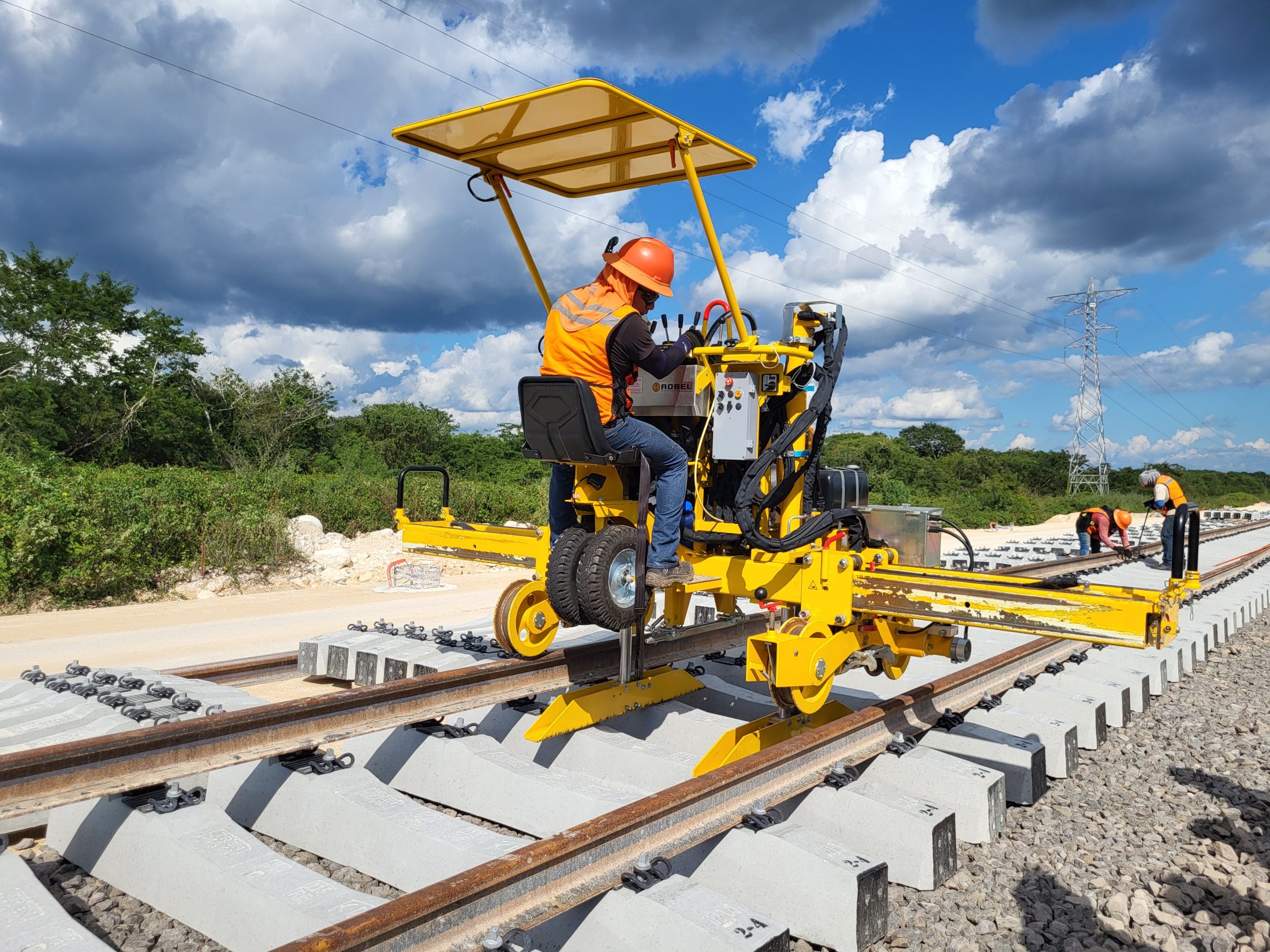
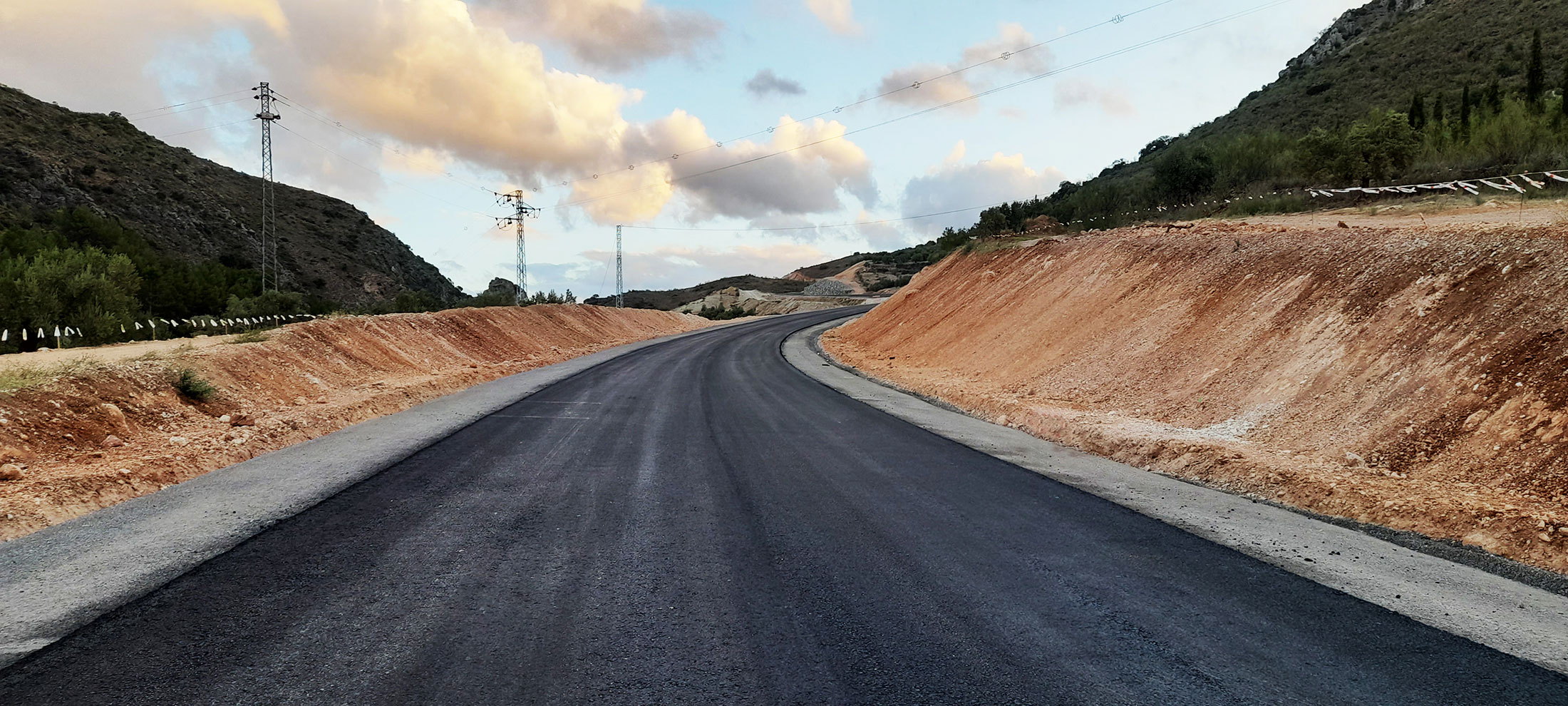
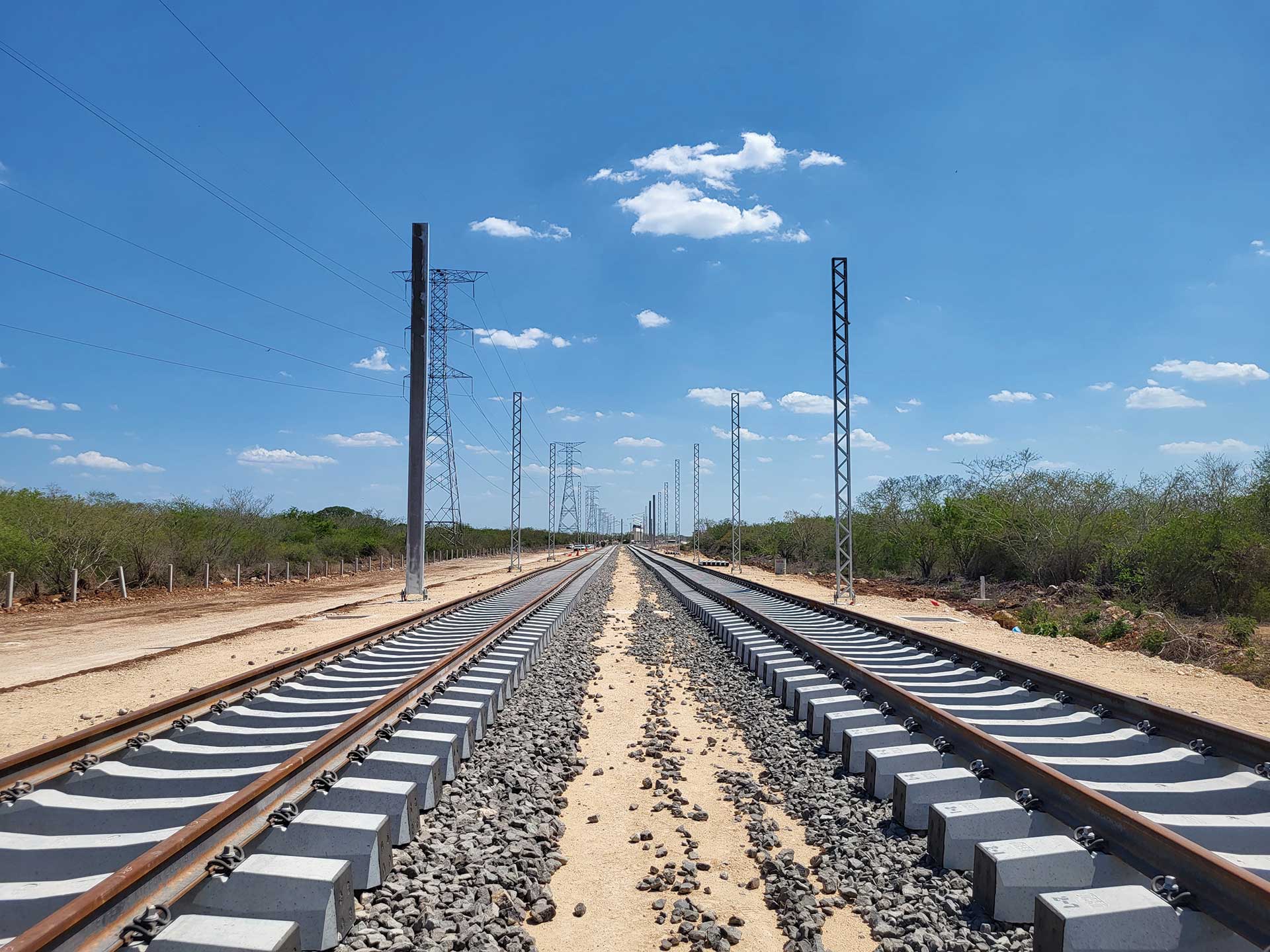
At Grupo Azvi, R&D+i is a strategic factor which enables us to face the new challenges of an increasingly globalized market. We aim to be leaders in the railway, civil engineering and building industries through the development of innovative technological solutions which deliver value and contribute to sustainable economic growth and social wellbeing.
Our pillars are:
Increasing competitivity and productivity
The sustainability of our projects
Health and safety in our construction processes
Increasing competitivity and productivity
The sustainability of our projects
Health and safety in our construction processes
— Innovation areas

Railway innovation
BIM

Digital Twins

IoT in infrastructures
Railway innovation
BIM
Digital Twins
IoT in infrastructures

Circular economy
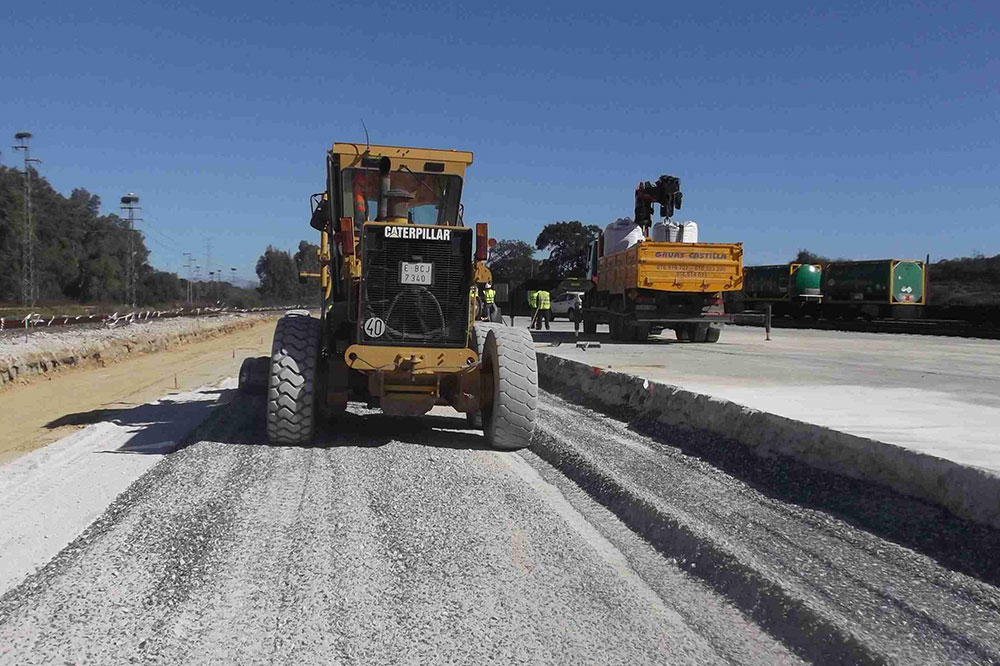
Composite materials
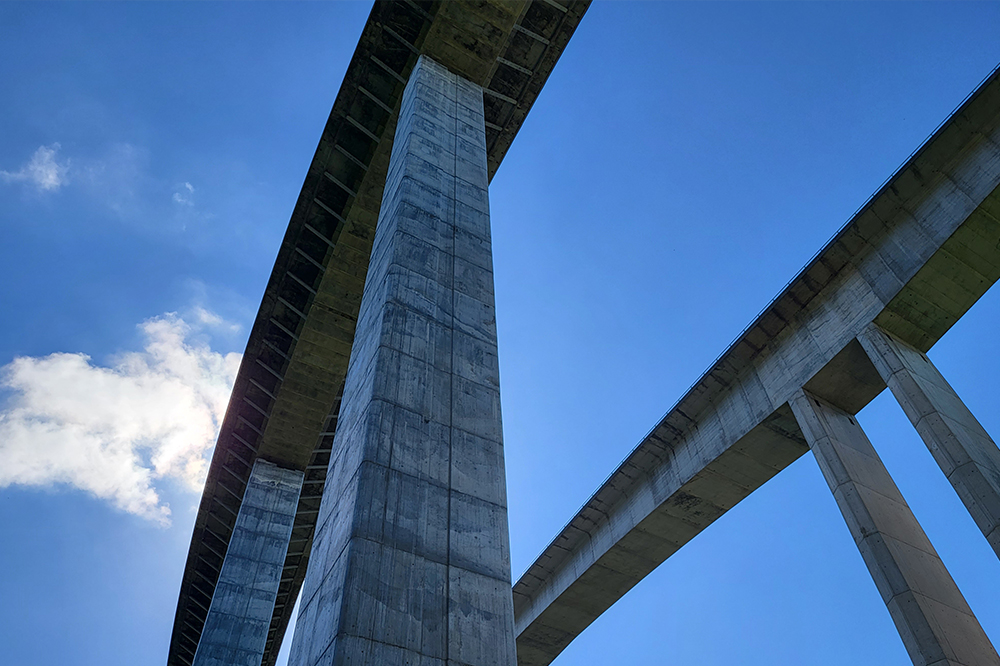
Resilience and structural health monitoring
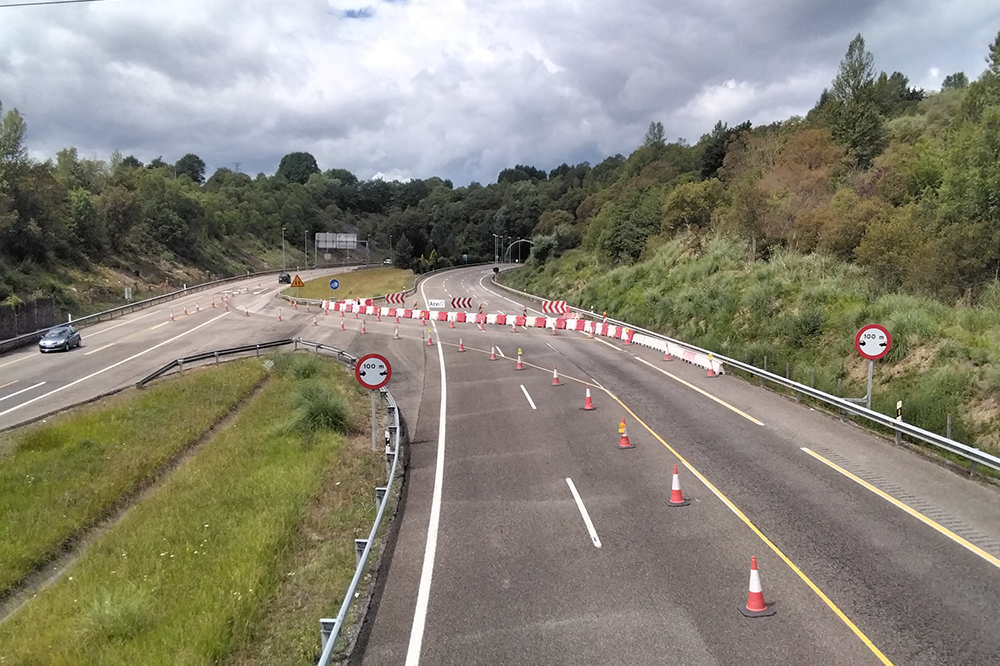
Highway maintenance and conservation
Circular economy
Composite materials
Resilience and structural health monitoring
Highway maintenance and conservation
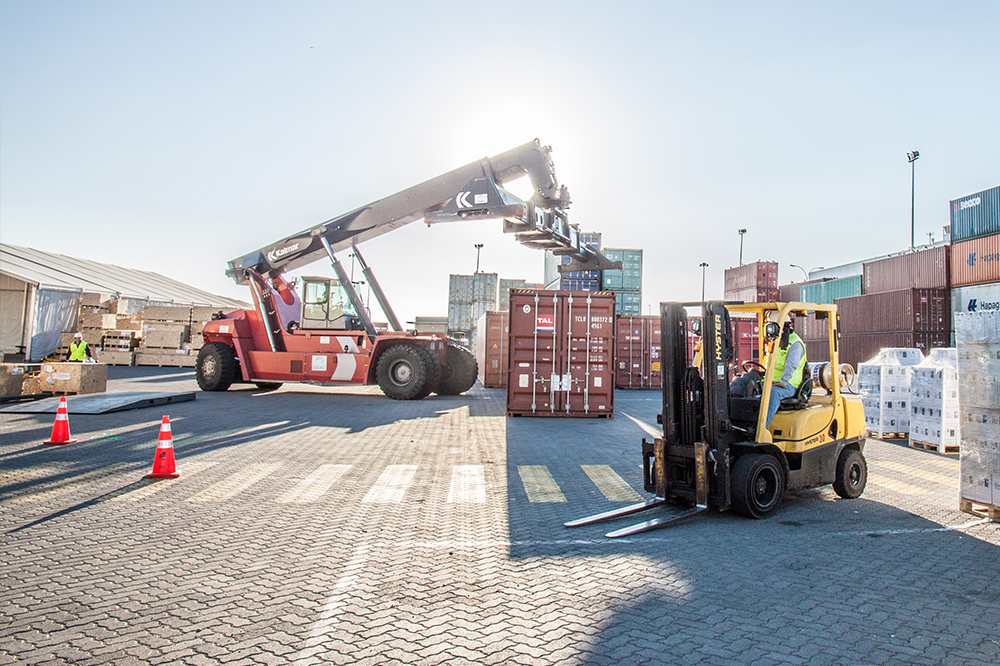
Logistics

Sustainability

Data security and privacy
Gestión del conocimiento e integración de datos de sistemas
Logistics
Sustainability
Data security and privacy
Gestión del conocimiento e integración de datos de sistemas
Digital Transformation
— BIM
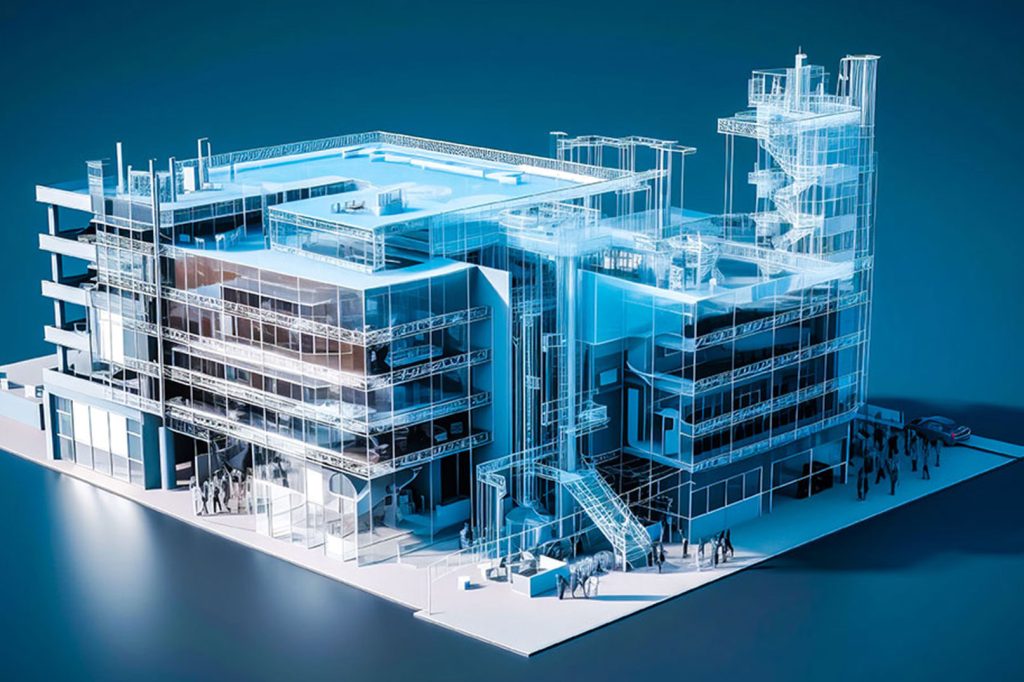
BIM (Building Information Modeling) is a collaborative work methodology for the creation and management of construction projects. At Azvi, we distinguish ourselves in the implementation of BIM by creating a comprehensive Management System which enables us to align our corporate strategy with ISO 19650-1 and ISO 19650-2 international standards.
The aim of this system is to centralize all of the project-related information in a digital information model which is created and maintained by all the participating stakeholders. Essentially, the project is constructed virtually.
— Data security and privacy
At Grupo Azvi we consider it essential that our activities are carried out in a trustworthy and protected environment.
To ensure this, the company has implemented the international standards for data security and privacy UNE-ISO/IEC 27001 and UNE-ISO/IEC 27701.
Certification under these standards ensures adherence to best practices for risk mitigation and safeguarding data integrity. Consequently, we are able to guarantee the confidentiality, integrity, availability and legality of all the information we manage, providing a secure digital environment for interactions in which data protection is assured.
— Common data environment
A Common Data Environment (CDE) is s system which provides a structured method for exchanging information and data among participating stakeholders during any phase of an asset’s lifecycle.

BIM collaborative methodology
The information generated during a public contract, including BIM models and BIM deliverables in general, is shared with other participating stakeholders to be used, modified, reviewed and approved according to their BIM roles.
This takes place within the Common Data Environment, which makes BIM’s characteristic collaboration possible and facilitates the viewing and consultation of information models and documents.

Knowledge management
During the asset’s lifecycle, the CDE functions as a common repository for information, not just documents.
It also meets a series of requirements regarding the treatment of data, the relation between participating stakeholders and the technological environment to be implemented.
Robotization of processes
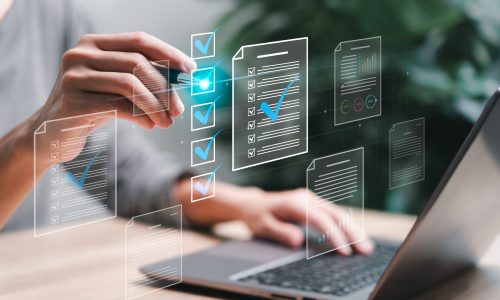
The CDE incorporates various functions for automizing processes which facilitate data management and communication within the project and streamline manual workflows.

Access to documents
The CDE is able to provide information regarding the status of files (draft, under review, approved, etc. ) as well as access to previous versions and a log of modifications made by each user. It is a versatile system accessible from anywhere, including mobiles and tablets, at any time.
A Common Data Environment (CDE) is s system which provides a structured method for exchanging information and data among participating stakeholders during any phase of an asset’s lifecycle.
BIM collaborative methodology
The information generated during a public contract, including BIM models and BIM deliverables in general, is shared with other participating stakeholders to be used, modified, reviewed and approved according to their BIM roles.
This takes place within the Common Data Environment, which makes BIM’s characteristic collaboration possible and facilitates the viewing and consultation of information models and documents.
Knowledge management
During the asset’s lifecycle, the CDE functions as a common repository for information, not just documents.
It also meets a series of requirements regarding the treatment of data, the relation between participating stakeholders and the technological environment to be implemented.
Robotization of processes
The CDE incorporates various functions for automizing processes which facilitate data management and communication within the project and streamline manual workflows.
Access to documents
The CDE is able to provide information regarding the status of files (draft, under review, approved, etc. ) as well as access to previous versions and a log of modifications made by each user. It is a versatile system accessible from anywhere, including mobiles and tablets, at any time.
